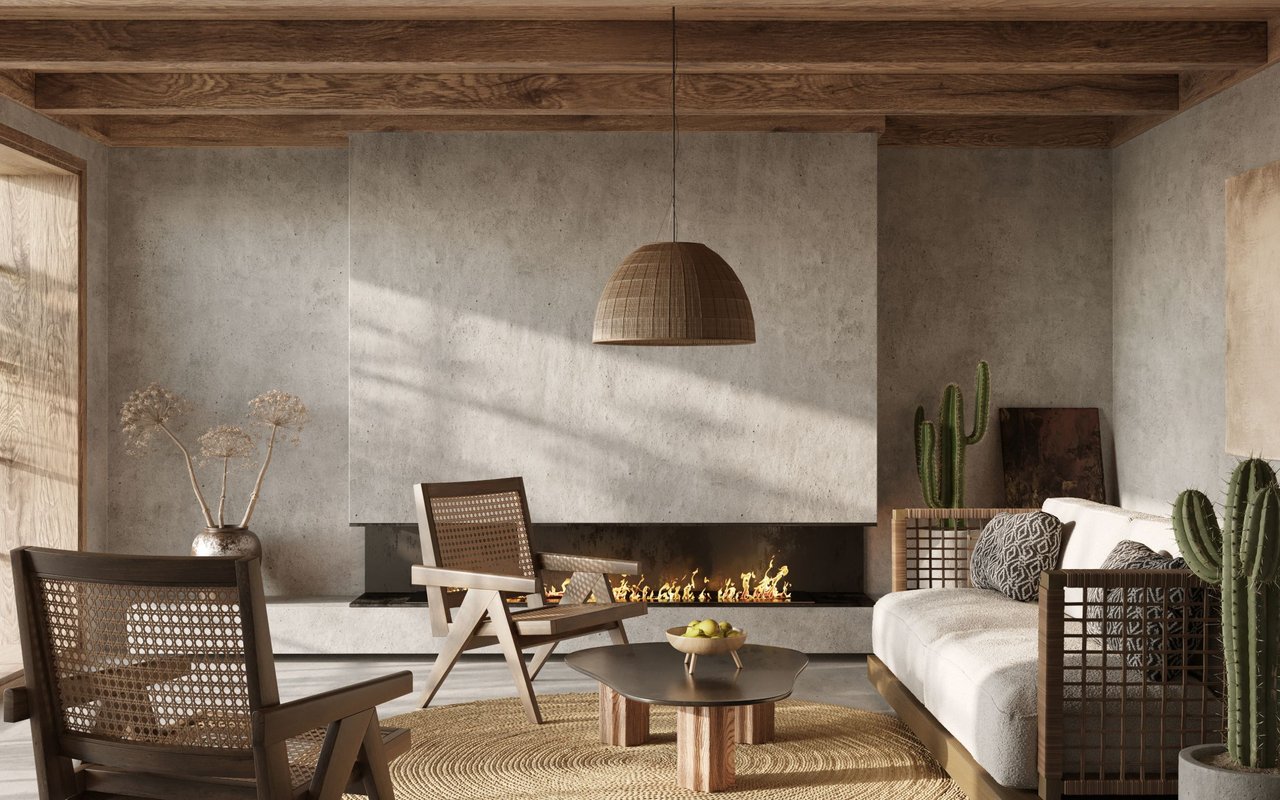
Is staging in Gilbert really worth the money and time? If you are preparing to sell, it can feel risky to invest before you list. The good news is that when you stage with a clear plan, you can shorten days on market and improve your sale price. In this guide, you will learn what typical staging results look like in Gilbert, why buyers respond to staged homes, and how to estimate your own ROI with simple, transparent math. Let’s dive in.
Gilbert market context
Gilbert is a suburban East Valley market with many newer and mid-age subdivisions, from Power Ranch and Val Vista Lakes to Seville, Agritopia, and the downtown Gilbert district. Buyers often include move-up families, relocators tied to Tempe and Phoenix job centers, and investors seeking rent-ready homes. HOA rules, seasonal demand that lifts in late winter and spring, and steady new-construction activity all shape how listings compete.
In this environment, presentation has outsized leverage. Staging helps your photos stand out online, clarifies how spaces live, and positions your home against both resale neighbors and shiny new builds nearby.
Staging impact ranges
Industry reporting consistently points to faster sales, stronger buyer perception, and a modest price premium for effective staging. Exact results vary by home type and market conditions, so it is best to think in ranges.
- Price uplift range: often 1% to 5% for well-executed staging in suburban markets, with higher gains possible for vacant or visually dated homes.
- DOM reduction: commonly 20% to 50% fewer days on market when staging solves real objections and drives higher-quality showings.
- Context matters: in very hot, low-inventory periods, staging still speeds decisions, though price premiums may be smaller because multiple offers already lift prices.
Buyer psychology
Staging works because it reduces friction and increases desire during a high-stakes decision.
- Visualization: a staged room lets buyers imagine life there without doing mental work. Clear furniture placement and scaled pieces make rooms feel functional and balanced.
- Emotional connection: purposeful vignettes, like a reading nook or clean dining table, create an immediate, positive feel. Buyers often decide with emotion, then justify with data.
- Perceived care: crisp staging signals a well-cared-for home, lowering perceived risk.
- Attention and memory: better photos earn more clicks and showings, which raises the chance of competing offers.
- Scarcity and urgency: strong first impressions convert more early showings into offers, which compresses time on market.
Design moves that work in Gilbert
- Declutter and depersonalize to create a neutral canvas.
- Use a warm, neutral palette that photographs consistently.
- Maximize light with clean windows, open blinds, and layered lighting to eliminate dark corners.
- Define each room’s purpose with right-sized furniture oriented to a focal point.
- Add minimal, high-impact accessories: healthy plants, one statement art piece, and cohesive textiles.
- Elevate entry and curb appeal with a clean doormat and desert-friendly pots.
- Improve flow by removing oversized items so rooms feel open.
- Highlight outdoor living: stage covered patios, shade structures, and low-water landscaping. Outdoor spaces are year-round assets in Gilbert.
ROI model and math
You can estimate staging ROI with a simple framework.
- Define your baseline price without staging: Sale_pre.
- Estimate a staged price uplift: Sale_post = Sale_pre × (1 + uplift%).
- Tally staging costs: Staging_cost (stager fees, rentals, delivery, small prep and repairs).
- Estimate daily carrying costs: mortgage interest, taxes, insurance, HOA, utilities, landscaping. Divide monthly total by 30 to get Carrying_cost_per_day.
- Estimate days saved from staging: DOM_reduction_days.
Then calculate:
- Net monetary benefit = (Sale_post − Sale_pre) − Staging_cost + (Carrying_cost_per_day × DOM_reduction_days)
- ROI = Net monetary benefit / Staging_cost
- Break-even uplift% needed = Staging_cost / Sale_pre
Pull Gilbert comps correctly
To ground your estimate in local data, compare staged and non-staged sales in your immediate area.
- Use ARMLS tools to filter active, pending, and recent sold listings from your same subdivision or very close neighborhood for the last 60 to 90 days.
- Match key attributes: beds, baths, finished square footage within about 10%, lot size, age and condition, parking, and high-value features like pools or recent remodels.
- Separate by condition: staged vs. non-staged, vacant vs. occupied, remodeled vs. not. If staging is not listed, study photos for professional furnishings and accessories.
- Collect for each comp: DOM, list price, days to contract, final sale price, and notable remarks like price reductions.
- Calculate the median sale price per square foot and median DOM for each group. Use these medians to estimate uplift and time savings for your home’s category.
Illustrative scenarios
Below are three illustrative examples to show how the math works. Replace these with your local comps and actual quotes.
Scenario A — Low-cost refresh
- Assumptions: Sale_pre = $500,000; Staging_cost = $1,500; uplift = 1.0%; DOM reduction = 14 days; carrying_cost_per_day = $50.
- Price gain = $5,000; saved carrying = $700; net benefit = $5,000 − $1,500 + $700 = $4,200.
- ROI ≈ 280%.
Scenario B — Mid-tier staging
- Assumptions: Sale_pre = $500,000; Staging_cost = $5,000; uplift = 2.5%; DOM reduction = 30 days; carrying_cost_per_day = $60.
- Price gain = $12,500; saved carrying = $1,800; net benefit = $12,500 − $5,000 + $1,800 = $9,300.
- ROI ≈ 186%.
Scenario C — Full staging for vacant or dated home
- Assumptions: Sale_pre = $500,000; Staging_cost = $12,000; uplift = 4.0%; DOM reduction = 45 days; carrying_cost_per_day = $70.
- Price gain = $20,000; saved carrying = $3,150; net benefit = $20,000 − $12,000 + $3,150 = $11,150.
- ROI ≈ 93%.
Interpretation: even modest percentage gains can add up to meaningful dollars at Gilbert price points. Full staging carries higher upfront cost, so it needs a larger uplift to match the ROI percentage of lighter options, but it often produces the biggest absolute dollar gain for vacant or visually outdated homes. Time savings can also be a major contributor if your carrying costs are significant.
When staging pays most
- Vacant listings where buyers struggle to judge scale and flow.
- Homes competing with fresh new construction nearby, where presentation narrows the gap.
- Highly photographed spaces like great rooms, kitchens, and primary suites.
- Listings entering the late winter to spring window, when better presentation can maximize peak buyer traffic.
- Price bands with many close substitutes, where staging creates a clear tie-breaker.
Staging checklist
Use this quick prep list to boost appeal before photos and showings.
- Declutter, depersonalize, and deep clean every room.
- Patch, paint, and neutralize walls as needed; choose a soft, warm neutral.
- Replace burnt bulbs and add lamps for layered lighting.
- Remove oversized furniture; define each room’s purpose.
- Add consistent textiles and one or two plants for warmth.
- Freshen entry with clean hardware and a simple doormat.
- Power wash where needed; tidy gravel or desert landscaping.
- Stage outdoor spaces with shade-minded furniture and rugs.
- Direct your photographer to capture full rooms and outdoor living.
DIY ROI calculator
You can run a quick estimate in minutes.
- Estimate your Sale_pre from nearby, similar sold comps.
- Choose a conservative uplift% based on comps or the typical 1% to 3% range for many homes, with higher potential for vacant or dated listings.
- Get a staging quote and define Staging_cost.
- Add monthly mortgage interest, taxes, insurance, HOA, utilities, and landscaping; divide by 30 for Carrying_cost_per_day.
- Estimate DOM reduction using staged vs. non-staged comps in your subdivision.
- Compute net benefit and ROI using the formulas above. Check your break-even uplift% by dividing Staging_cost by Sale_pre.
Example: if your home would sell for $600,000 without staging and your staging budget is $4,000, your break-even uplift is about 0.67%. If staging and better marketing likely yield even a 1.5% uplift plus faster timing, the math often pencils out.
How we help in Gilbert
Role Model Realty was built for this exact moment, blending licensed market strategy with formal interior design training to make your listing feel gallery-ready. We advise on paint palettes, lighting, furniture scale, and photo direction, then deliver staging that speaks to how East Valley buyers live. Because we operate locally across Gilbert, Chandler, Queen Creek, Mesa, Tempe, and Scottsdale, we also plan around HOAs, new-build competition, and seasonal demand.
If you are weighing whether staging will pay off for your address, let us run the comps, model the ROI, and design a targeted prep plan. Book a complimentary staging consultation and market plan with Jessica Pasquale.
FAQs
What ROI can Gilbert sellers expect from staging?
- Many homes see a 1% to 5% price uplift and 20% to 50% fewer days on market when staging directly addresses buyer objections; results vary by home, price band, and timing.
How much does staging cost in Gilbert?
- Typical ranges run from about $500 to $2,000 for a consult and light refresh, $2,000 to $7,000 for partial staging, and $7,000 to $20,000+ for full-home staging with rentals.
Does staging still help in a hot market?
- Yes. Staging consistently improves photos and buyer perception, which speeds decisions; price premiums may be smaller when multiple offers already push values up.
Should I stage a vacant home in Gilbert?
- Vacant homes often benefit the most, since staging solves scale and flow issues, creates warmth, and can deliver higher uplifts alongside meaningful DOM reductions.
How do I estimate days saved by staging?
- Pull staged and non-staged comps from your subdivision for the last 60 to 90 days and compare median DOM; use that difference as your initial estimate, then adjust for your home’s condition.